DECEMBER 2025: INTA CONFERENCE / DESIGN COMPETITION
DECEMBER 5-7, 2025
Honolulu, Hawai‘i (USA)
Co-organized by University of Florida, National University of Singapore, and SHADE Institute
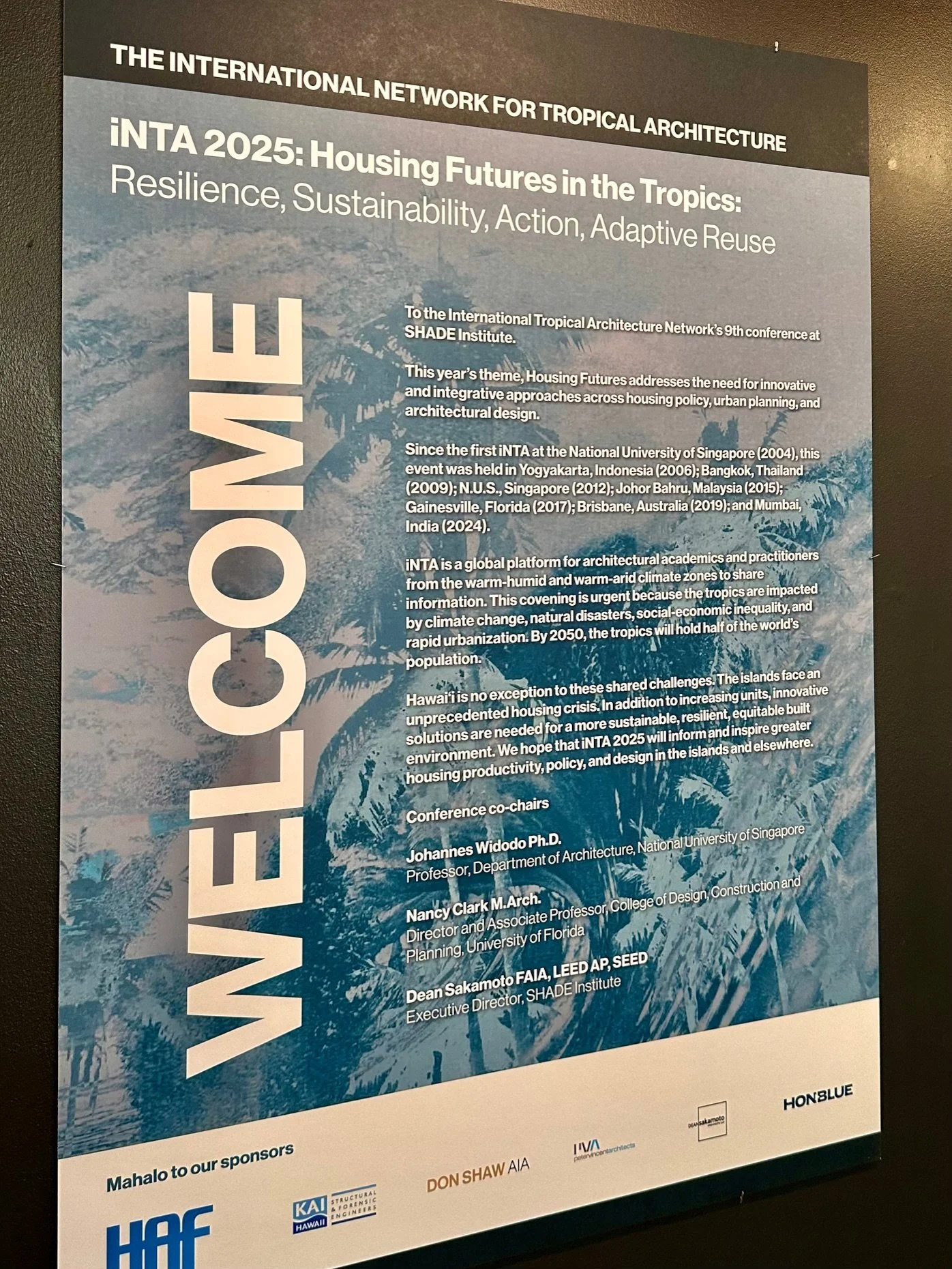
iNTA invited scholars, practitioners, policymakers, and community advocates to submit research papers, case studies, and innovative solutions addressing critical housing challenges specific to tropical regions. The conference is rooted in the recognition that tropical and subtropical areas face some of the world’s most urgent issues, including impacts of natural disasters, social disparities, and economic inequality. The conference theme emphasized the need for integrative approaches across architecture, housing policy, urban planning, and engineering and the necessity for context-sensitive, climate responsive, and socially responsible approaches to housing and urban development in the tropics.
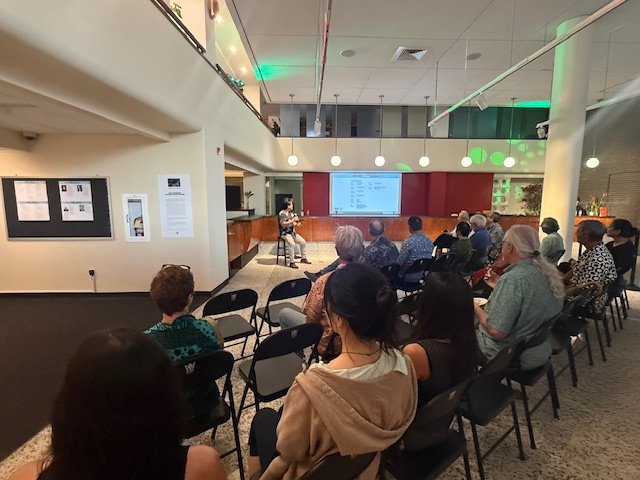
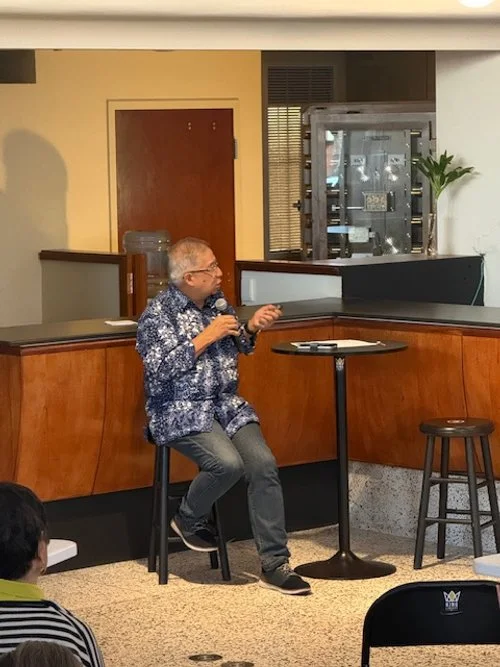
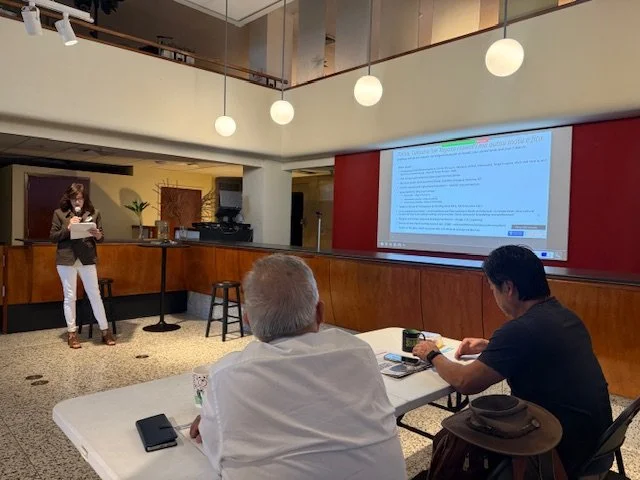
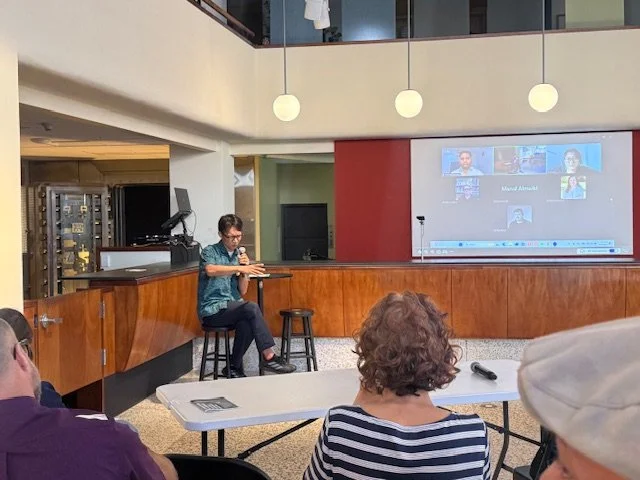
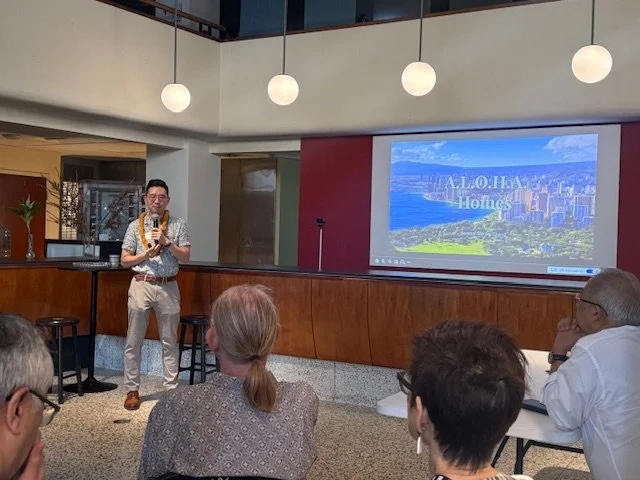
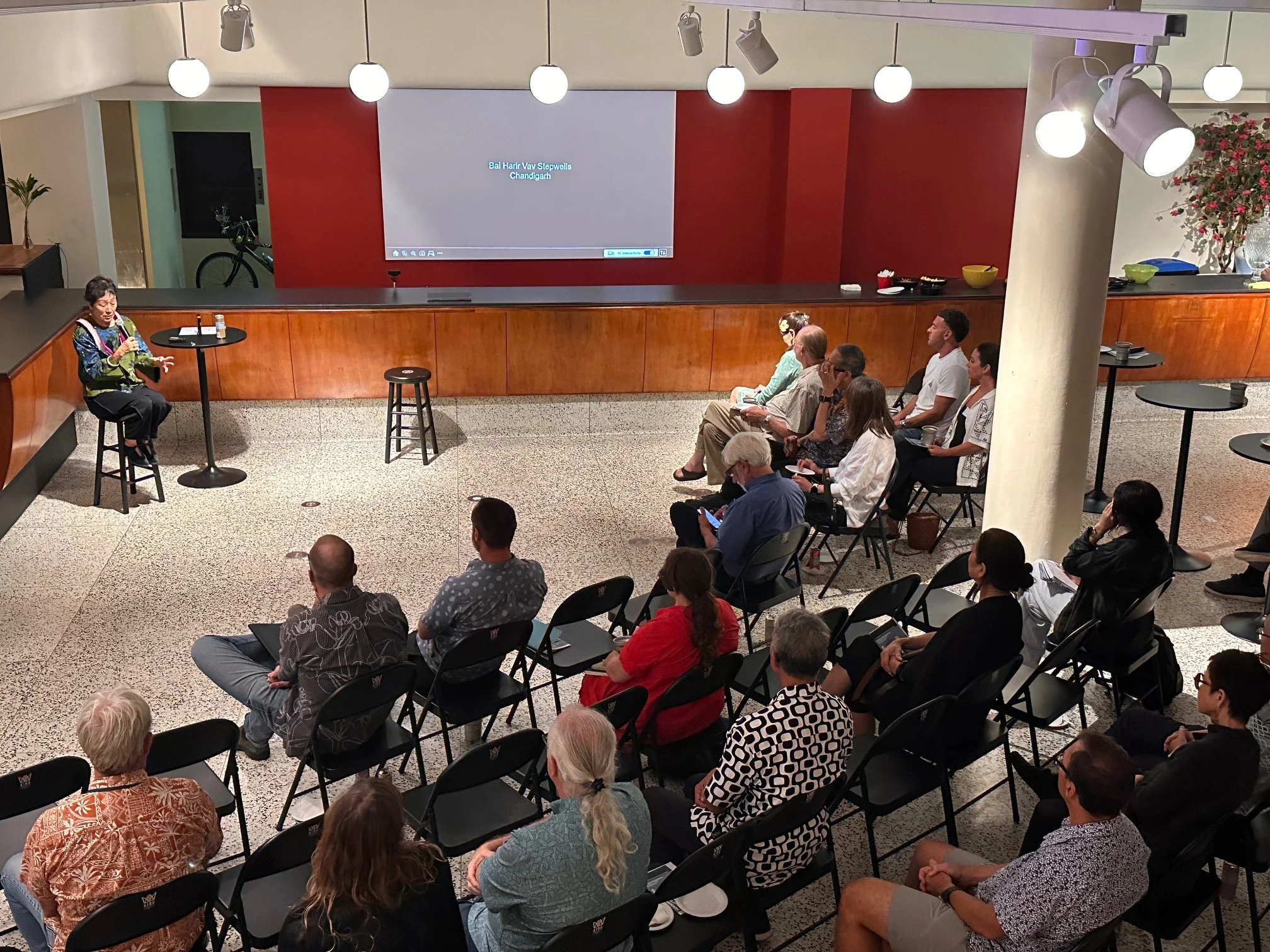
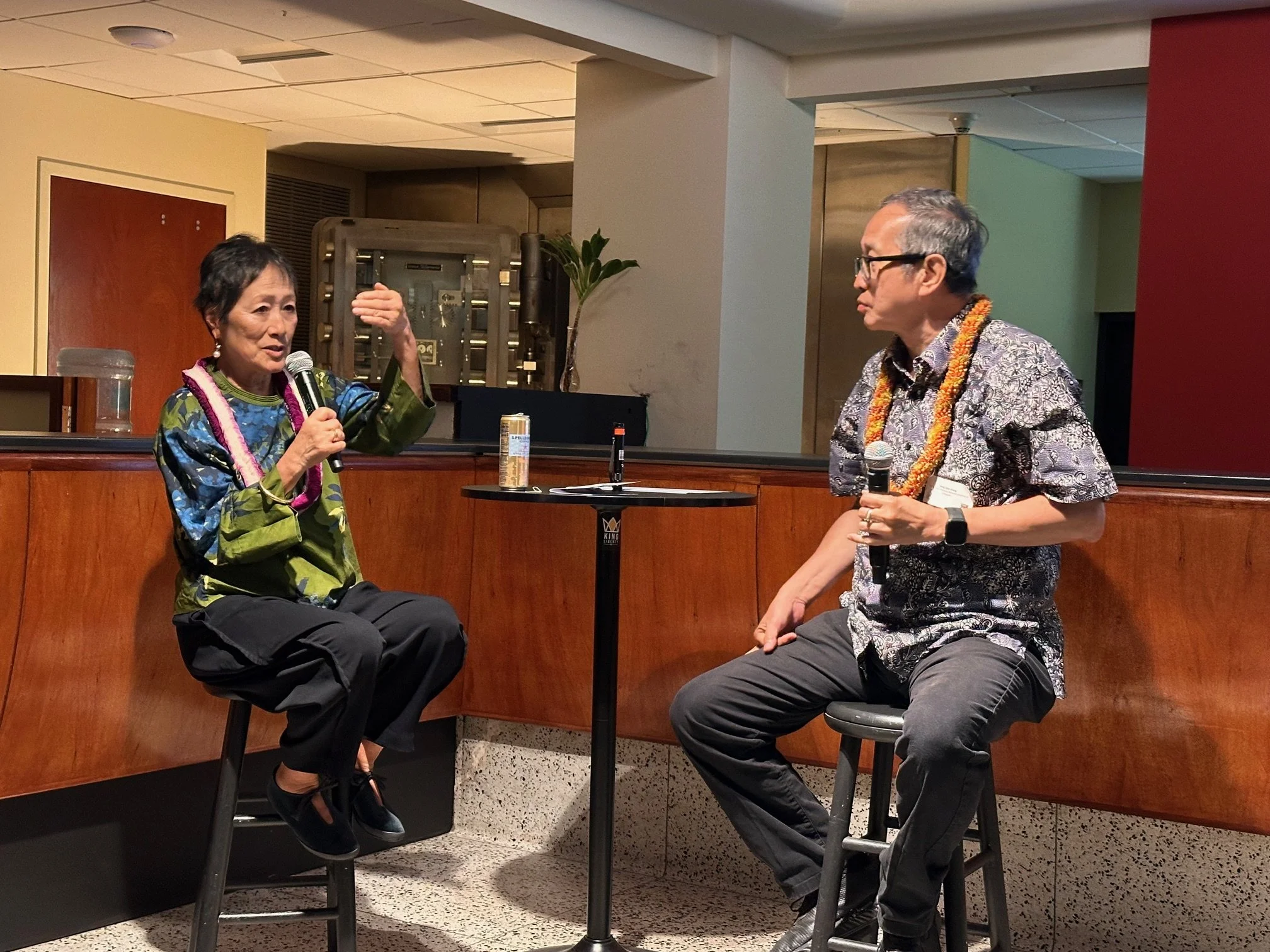
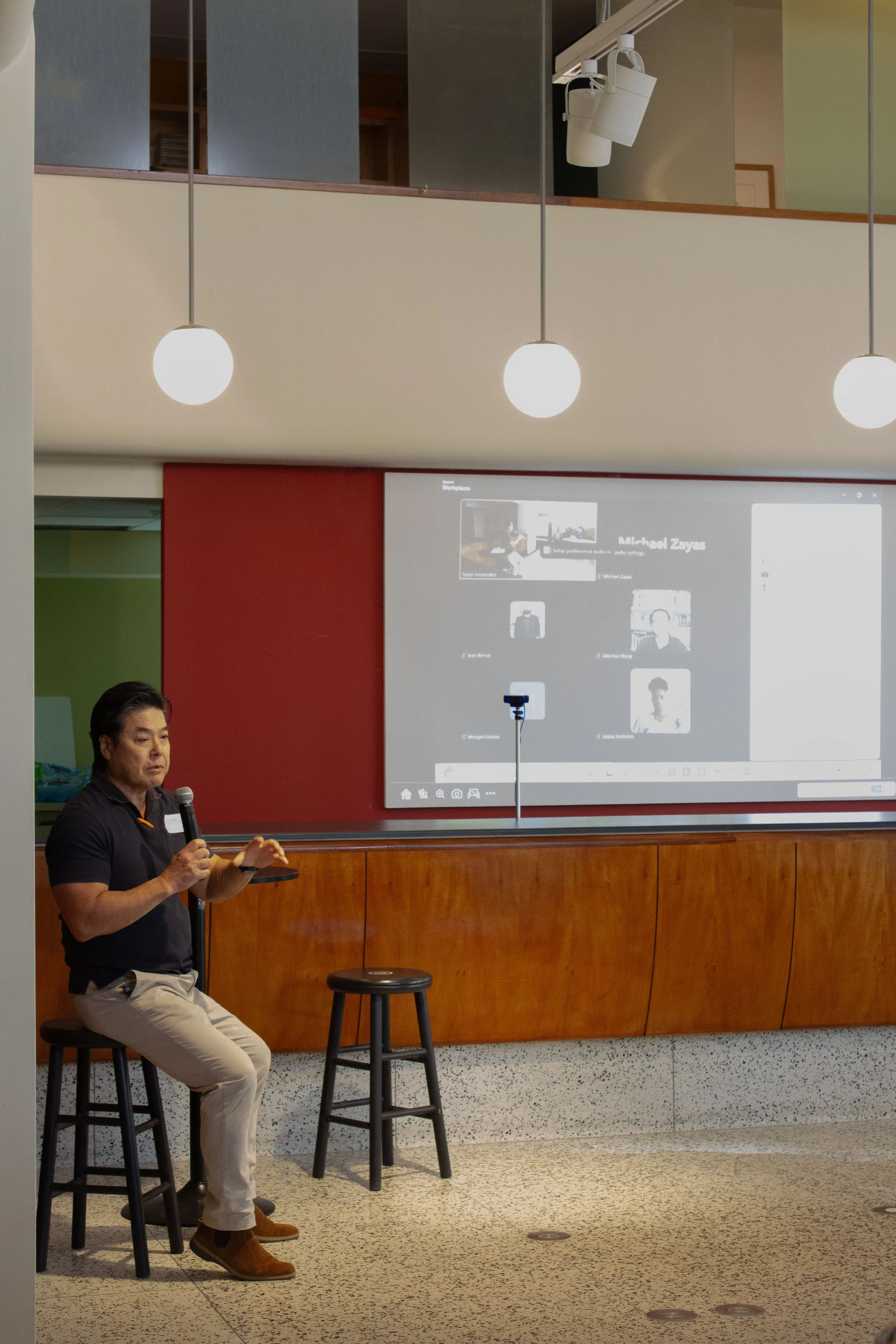
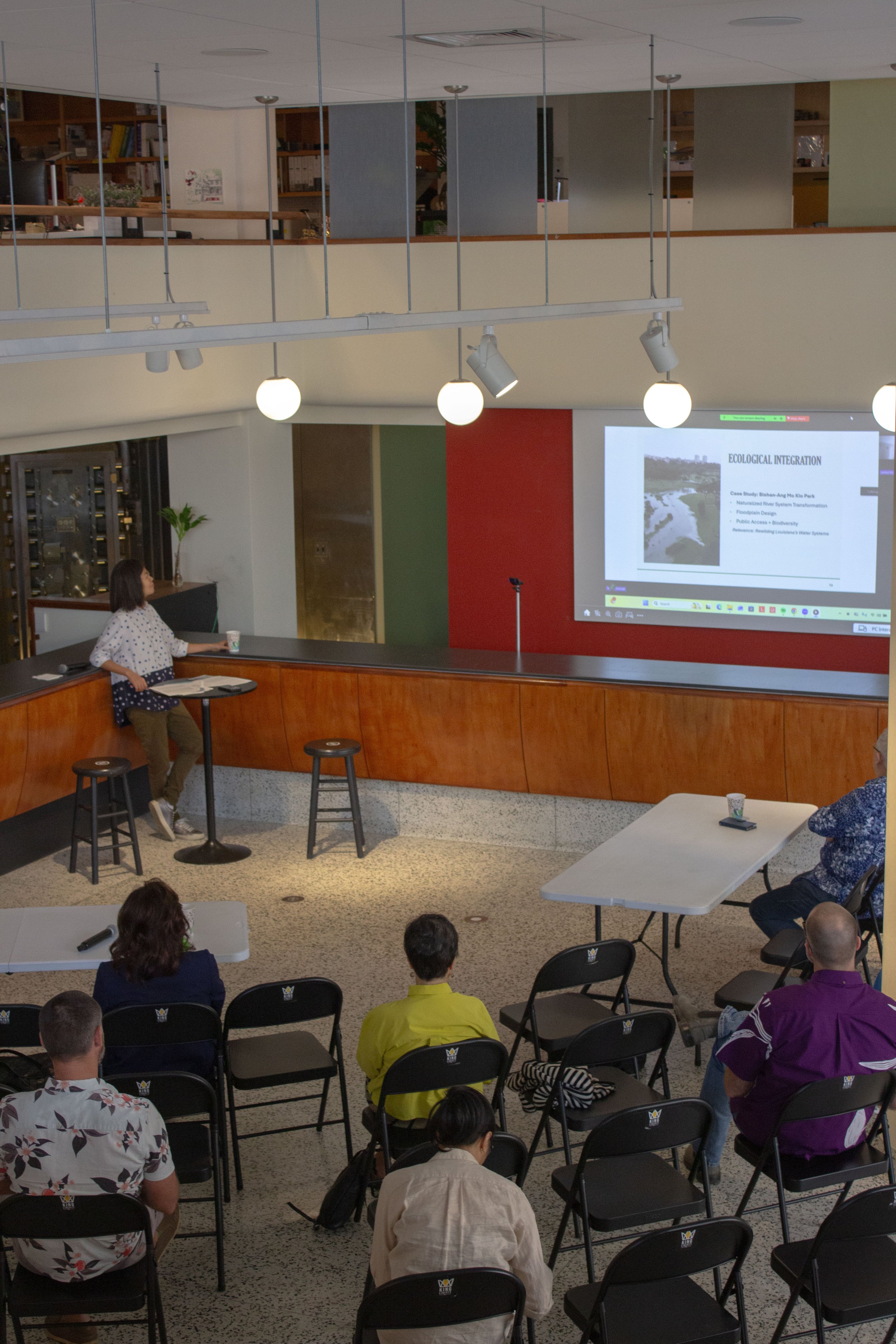
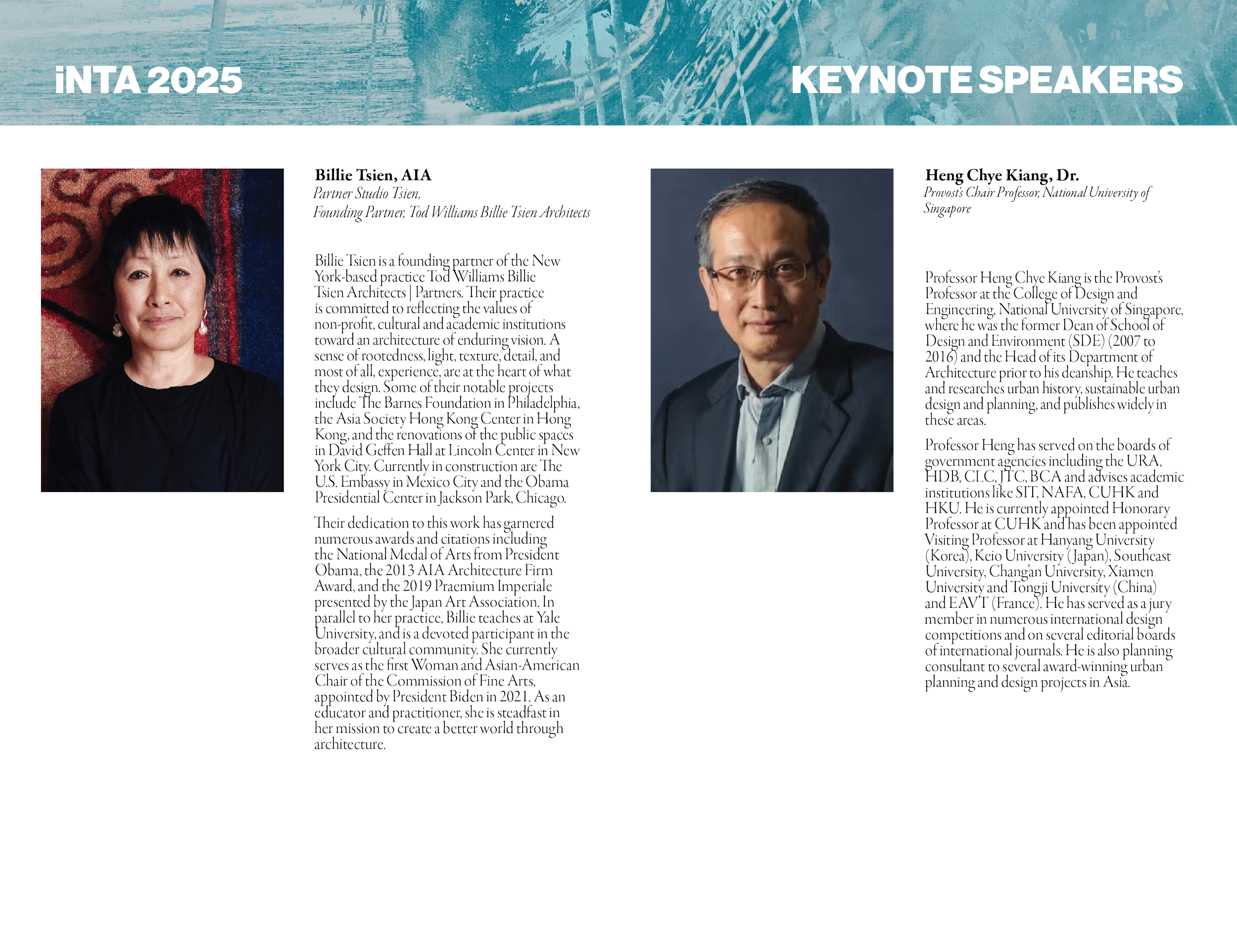
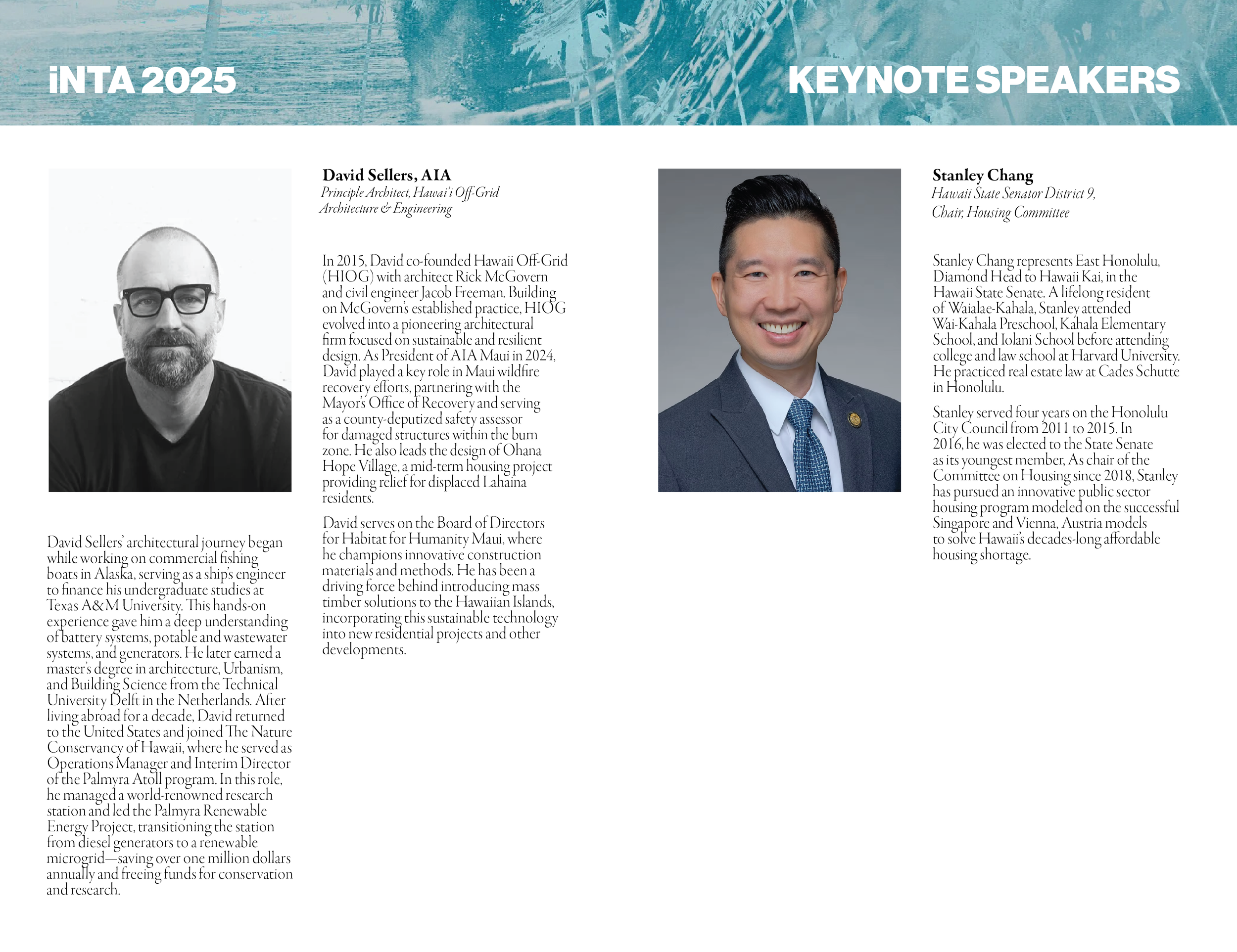
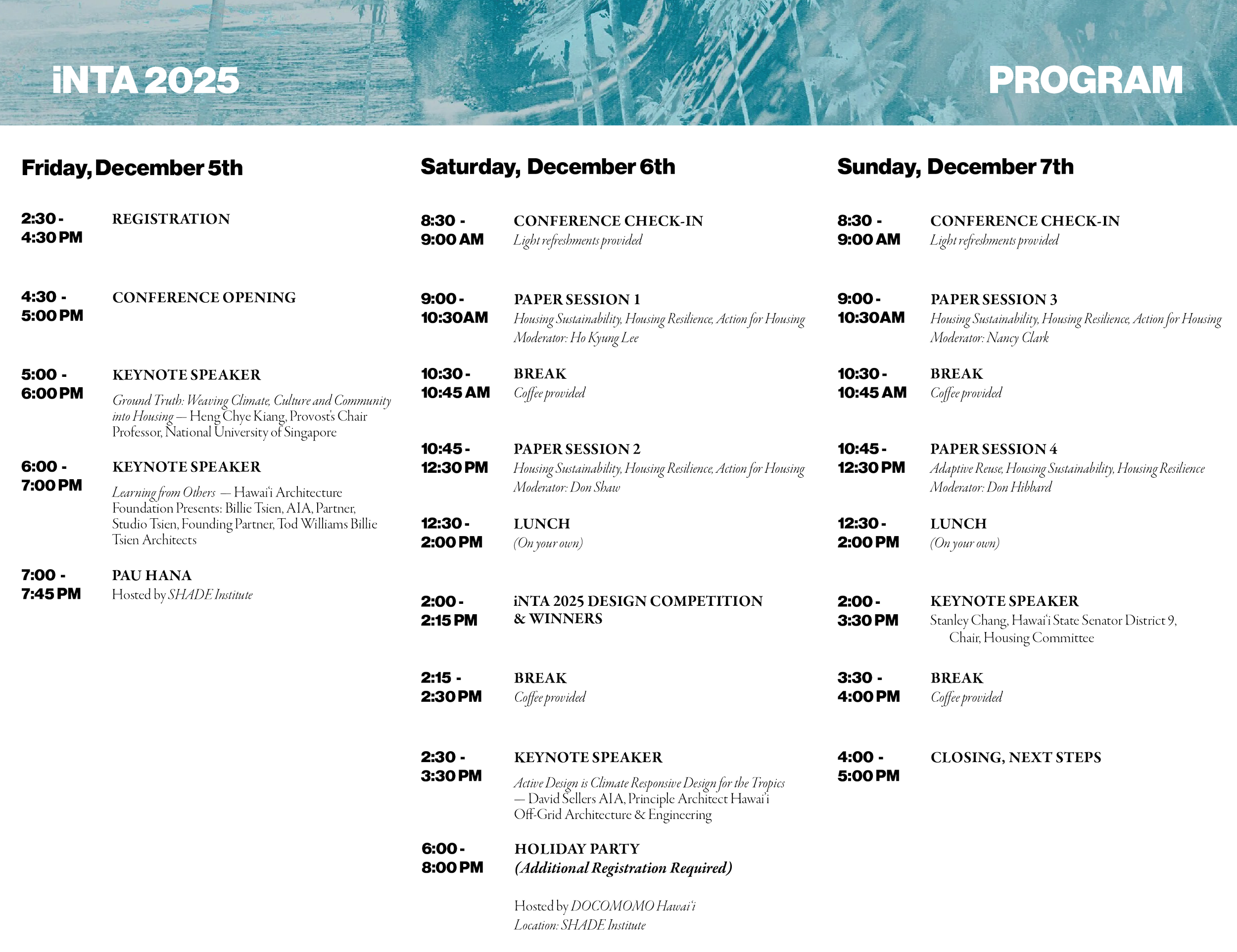
The INTA Conference brought together 18 presenters, 4 keynote speakers, and over 30 attendees representing both local and international communities to explore innovative solutions for housing in tropical regions. Over three days, scholars, practitioners, and advocates shared research and strategies centered on this year’s theme, Housing Futures in the Tropics: Resilience, Sustainability, and Action. The event showcased cross-disciplinary dialogue and strengthened global collaboration around climate-responsive, socially grounded approaches to tropical architecture and urban development.
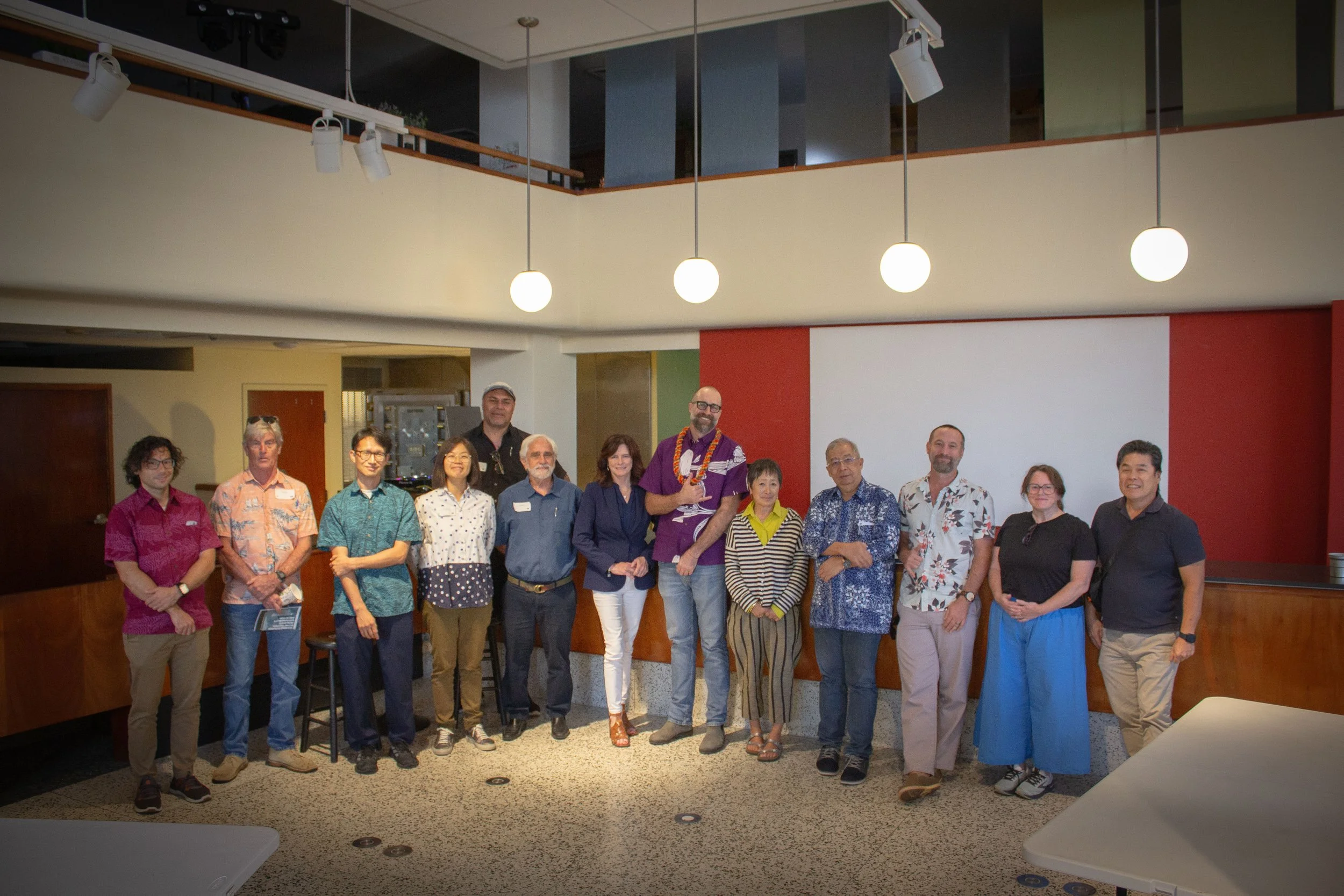
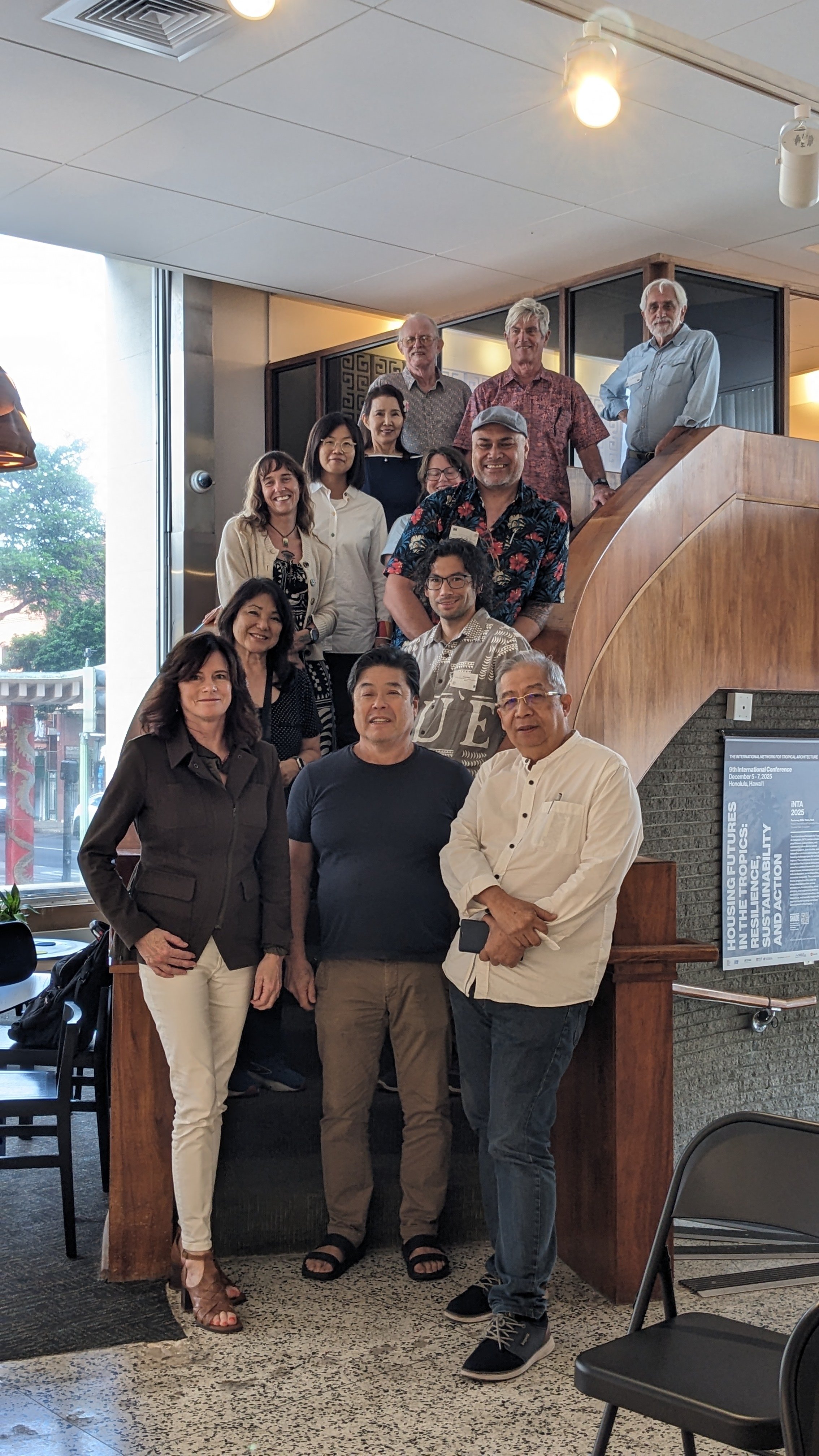
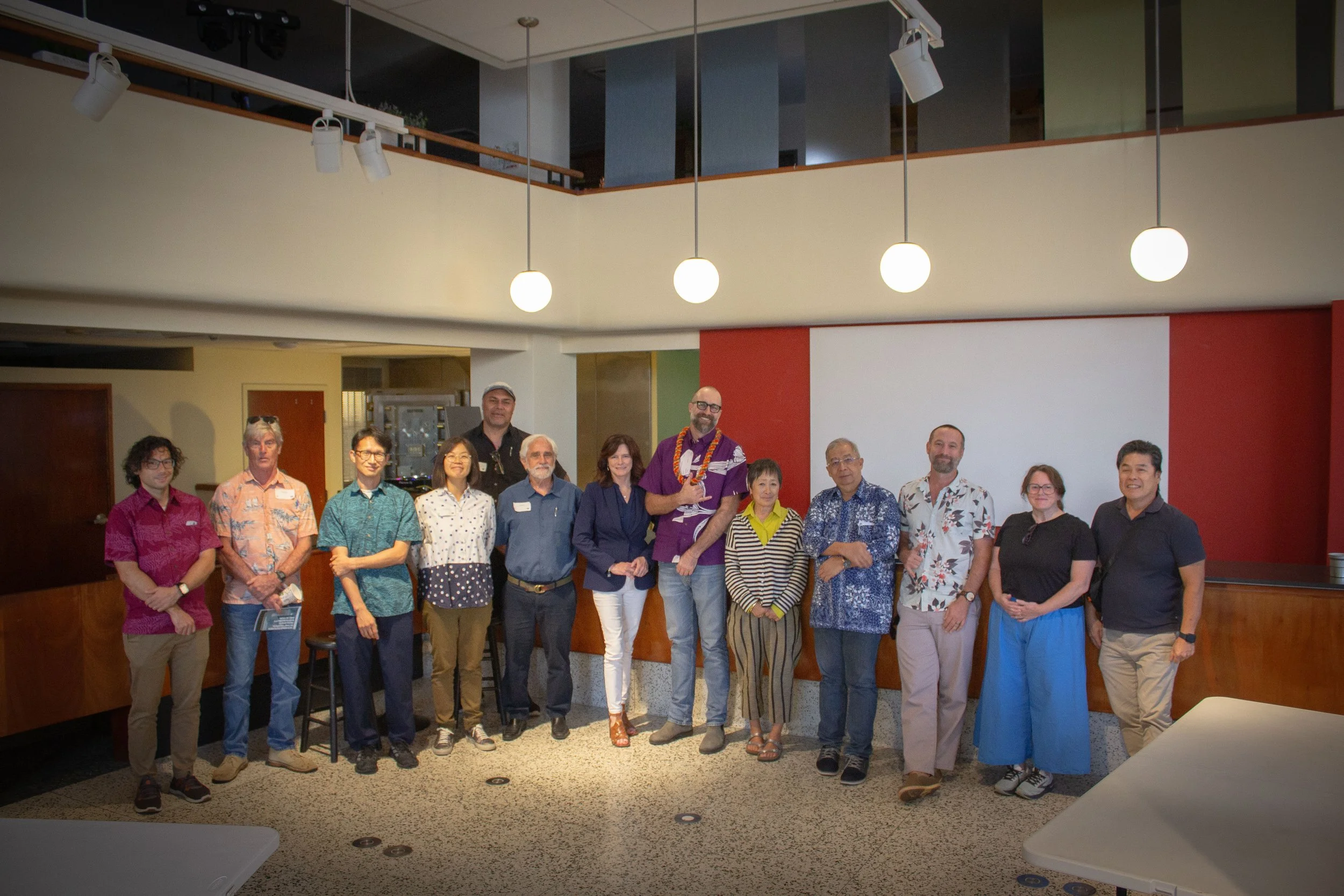
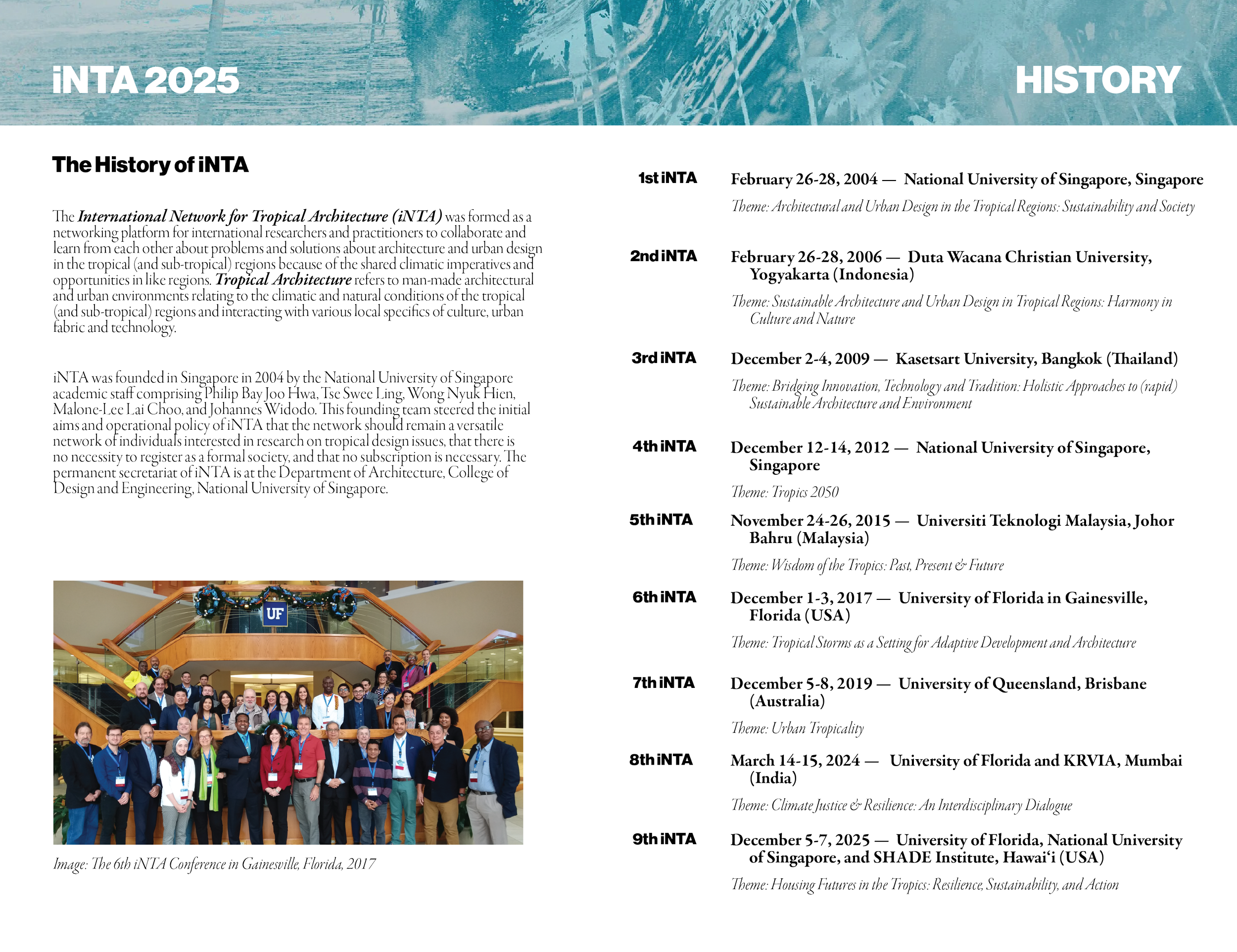
9th Annual iNTA Committee & presenters
DESIGN COMPETITION
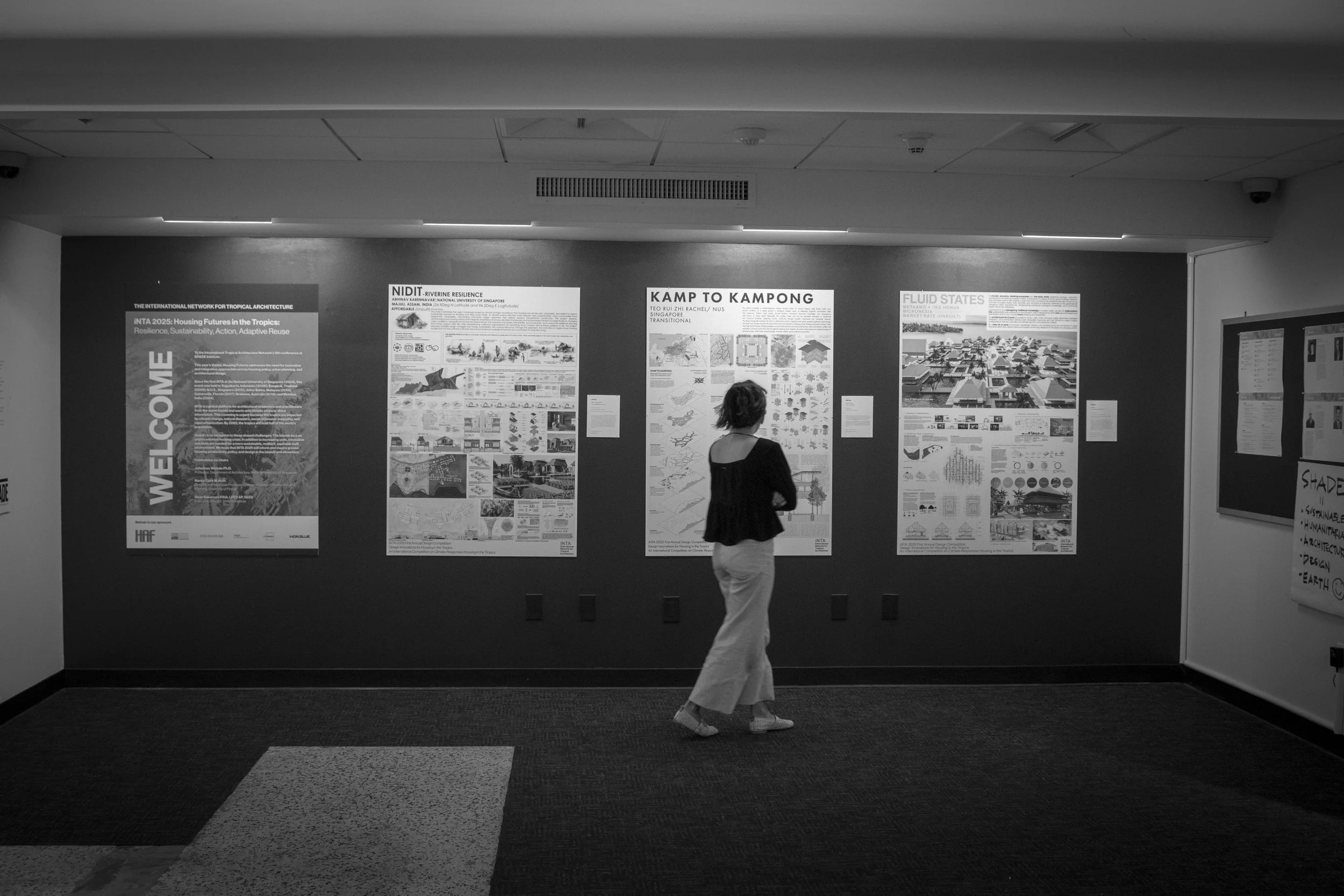
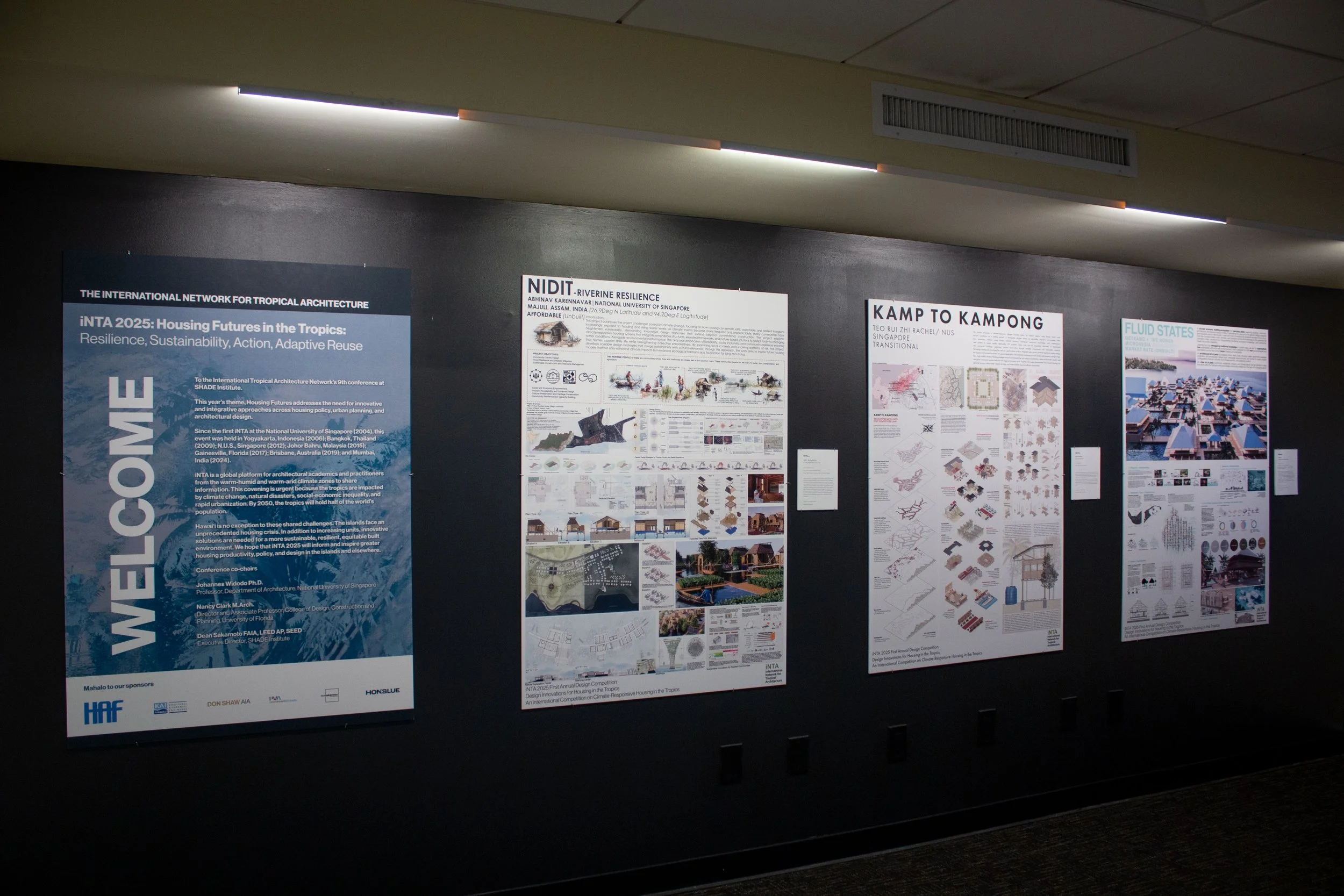
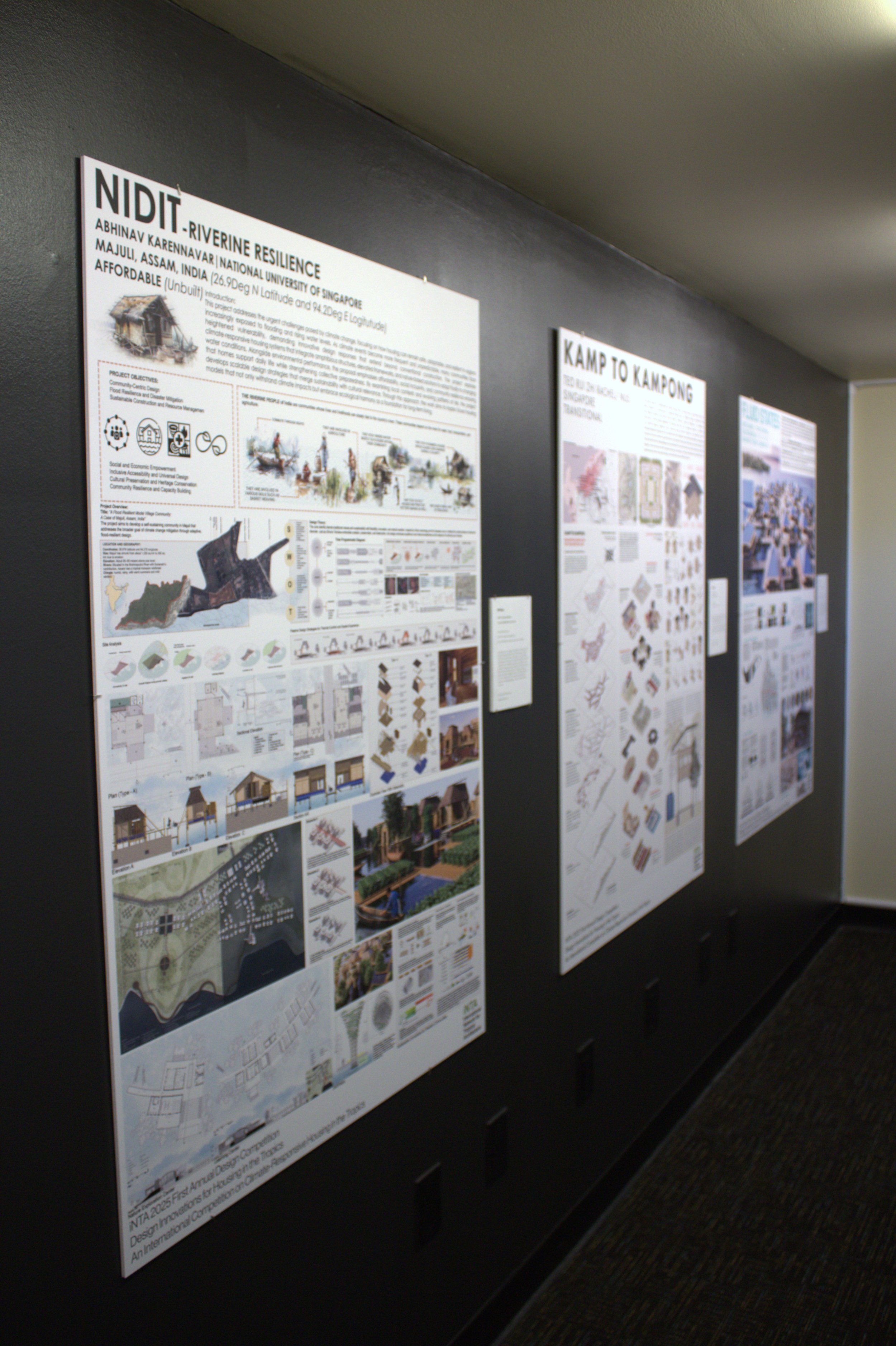
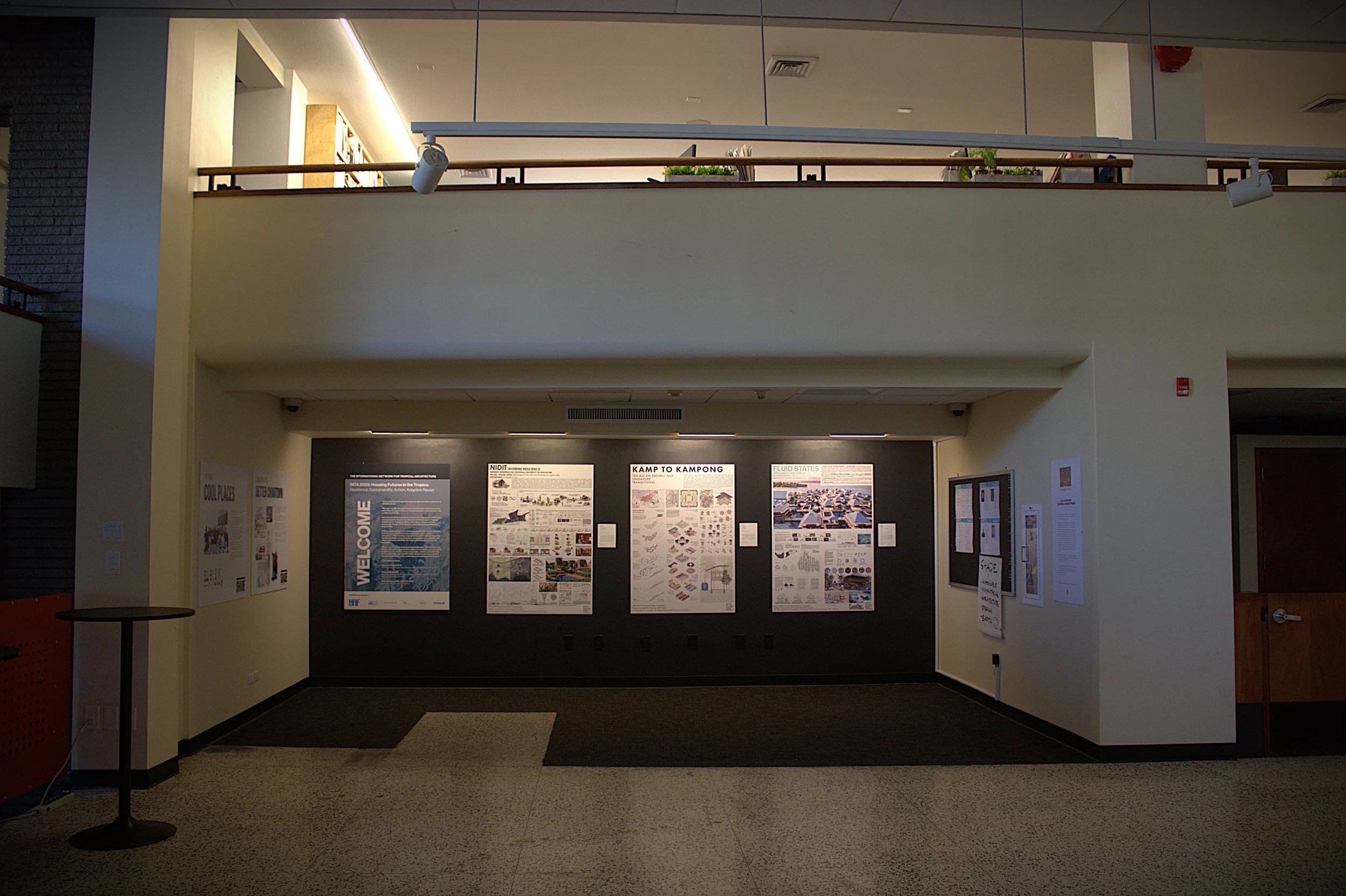
The iNTA 2025 First Annual Design Competition invited developers, design professionals, and academics to submit innovative tropical and subtropical housing projects and research in four categories: Sustainability, Resilience, Action-Oriented, and Historic Preservation/Adaptive Reuse.
Focusing on the conference’s theme “Housing Futures in the Tropics: Resilience, Sustainability, and Action”, the competition received entries from all over the world that explored solutions for climatic imperatives, problems, and opportunities in tropical and subtropical regions.
The iNTA 2025 Design Competition catalogue featuring the award winners and distinguished entries can be found here.
Congratulations to this year’s winners!
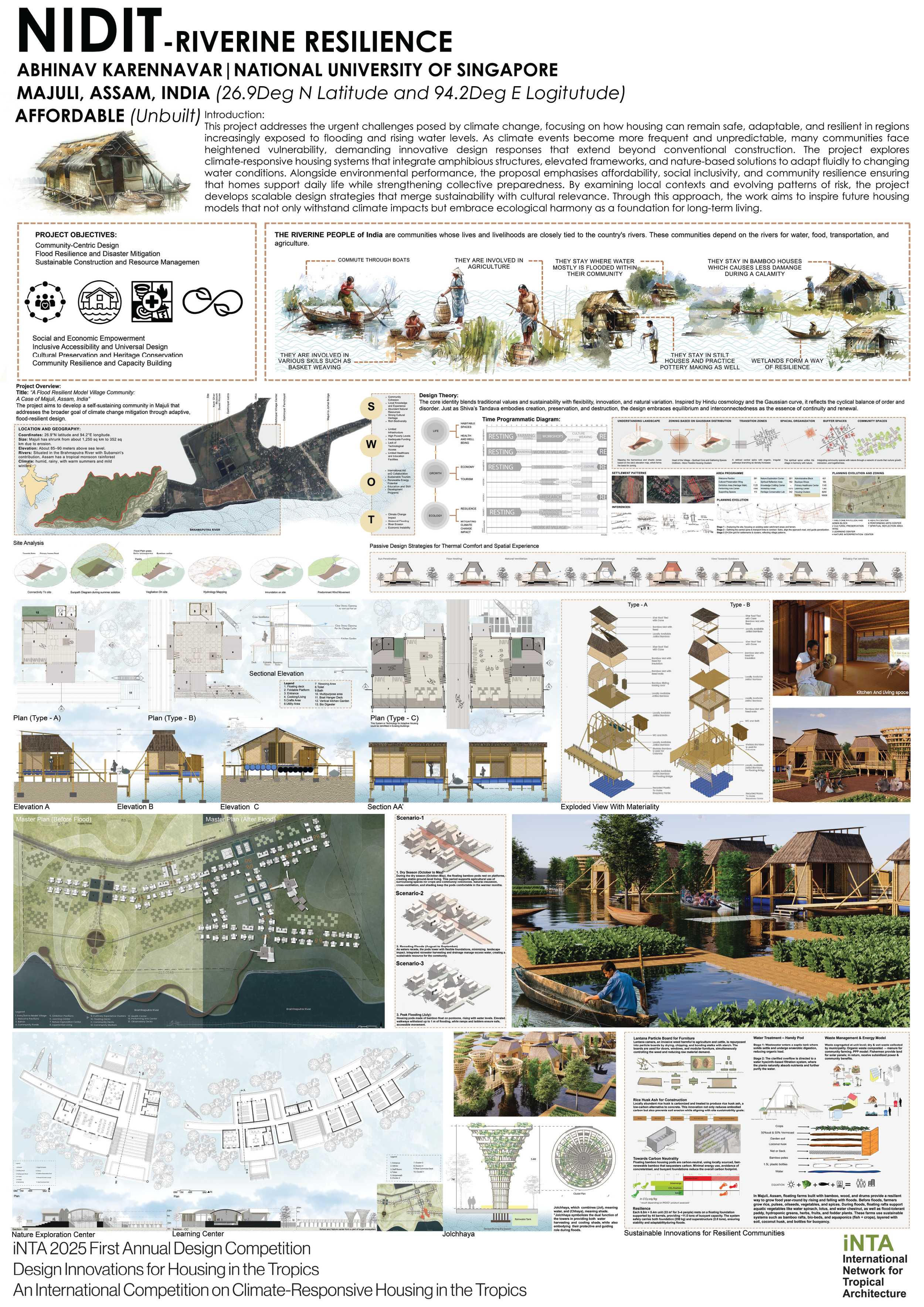
- 1st Place: NIDIT - Riverine Resilience, India, Abhinav Karennavar / National University of Singapore
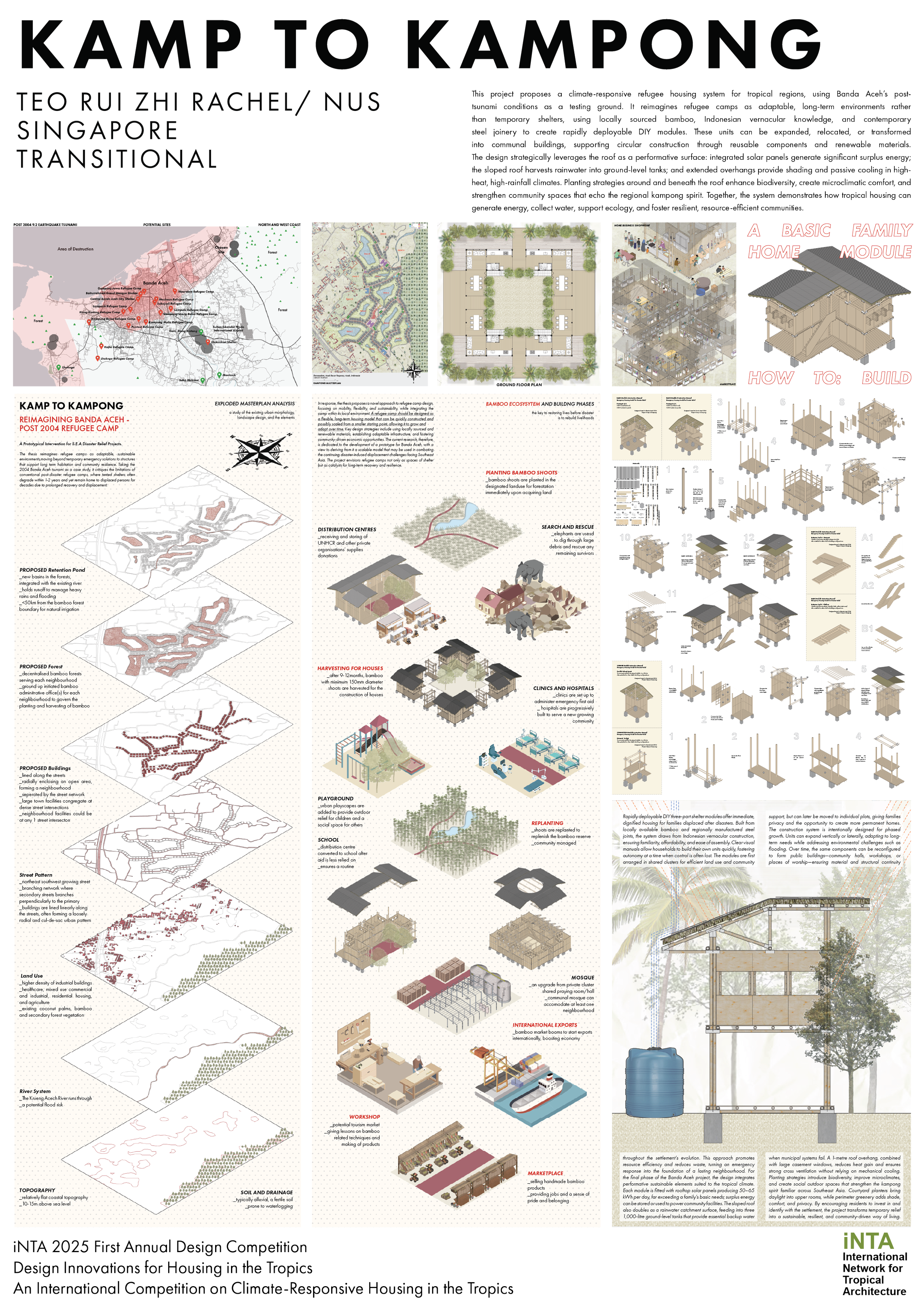
- 2nd Place: Kamp to Kampong, Banda Aceh, Indonesia, Teo Rui Zhi Rachel / Student / National University of Singapore
- 3rd Place: Fluid States, Micronesia, Metaamo and 'Ike Honua
1ST PLACE
NIDIT – Riverine Resilience, Majuli Island, Assam, India,
Abhinav Prakash Karennavar / Student, M.Sc Integrated Sustainable Design – National University of Singapore / B.Arch – BMS College of Architecture, Bangalore, India
Abhinav Karennavar is an emerging architectural designer currently pursuing a Master of Science in Integrated Sustainable Design at the National University of Singapore. His work focuses on climate-responsive housing, resilience in vulnerable landscapes, and the integration of local materials with sustainable systems thinking. Trained in India and Singapore, he has contributed to a range of projects across hospitality, mixed-use developments, and heritage environments through roles at RSP Design Consultants, Edifice Consultants and Esthetique Architects. His design projects has received international recognition, including awards from Solar Decathlon India, INTACH, the Council of Architecture, and the Fondation Jacques Rougerie Institute. He is particularly interested in advancing regenerative solutions for tropical and riverine communities.
Check out their work here:
https://www.instagram.com/abhinav.arch/ - @abhinav.arch
2ND PLACE
Kamp to Kampong, Banda Aceh, Indonesia,
Teo Rui Zhi Rachel / Student / National University of Singapore
Rachel Teo is a recently graduated Master’s student who cares about design that is grounded, intentional, and deeply connected to material craft. She believes landscaping isn’t an afterthought but the quiet backbone of good architecture—especially in the warm, humid, and wonderfully unpredictable environments of Southeast Asia.
Rachel has a soft spot for hands-on making. She enjoys 3D printing, product design, and woodworking/carpentry, where she can test ideas quickly and understand materials by actually working with them. She’s drawn to placemaking and humanitarian architecture, and she gravitates toward small, thoughtful projects that quietly create big, meaningful impact.
Check out their work here:
https://www.instagram.com/racheltrz?igsh=ZXJ0anZvNmViMmsy - @racheltrz
https://www.instagram.com/ruii.studio?igsh=MWJqdDNodG04djNpcQ== - @ruii.studio
3RD PLACE
Fluid States, Micronesia (RMI, Kiribati)
Metaamo + ʻIke Honua /
Leads: Matthew Bunza, James Miller, Xiaonuan Sun
Project Team: Kyle Altman, Jade Danek, Curtis Trueblood, Sang Pham, Purvangi Patel, Salum Rajabu
Metaamo is a process-driven, collaborative design practice working at the intersections of architecture, urbanism, landscape, and ecology, known for bridging cultural contexts and diverse scales. Based in Portland Oregon, but with satellites in Auckland and Hong Kong, its work spans continents and disciplines — from intimate residential spaces to large-scale urban planning — focusing on projects that uplift communities, honor cultural identities, and address resilience in the built environment. ʻIke Honua represents Metaamo’s research arm, blending rigorous academic research and applied practice; the design lab focuses on indigenous resilience across the Pacific.
Check out their work here:
https://www.instagram.com/metaamo/ - @metaamo
Web: www.metaamo.com / www.ikehonua.org